Slavic Full Gospel Church logo SFGC

Holiness

52 sermons on this topic

His Name Is Jesus, the Holy Lord of All

His Name Is Jesus, the Holy Lord of All

The gathering opens with a heartfelt call to lift up the name of God, giving Him all the glory in our prayers, our thoughts, and our worship. The leader prays that God would touch every heart so that when the people return home they would carry power to overcome and keep moving forward in faith. The congregation greets one another and rejoices simply to be present in God's house. In worship the church proclaims that there is only One strong enough to save and One who conquered the grave. Jesus holds the keys of death and hell, healing flows from His name, and by His blood our sins are washed away. He is named Wonderful, Counselor, Almighty God, and Prince of Peace, the One before whom every knee will bow when He returns to judge the living and the dead. The opening worship closes with a vision drawn from Isaiah: the Lord seated high upon His throne, robed in glory, the temple filled with His presence, and the angels circling Him crying, "Holy, holy, You are holy, Lord of all." It is an invitation to humble our hearts and simply desire His nearness.

Guard Your Heart, Guard Your Tongue

Guard Your Heart, Guard Your Tongue

On the threshold of Pentecost, the service opened by reminding us why the Holy Spirit was given: not for our comfort alone, but to glorify Christ and to make us His witnesses (Acts 1:8). The Spirit reshapes us into the image of Jesus and empowers a life we could never live in our own strength. Because Christ died and rose exactly as the Scriptures foretold, we can trust that God watches over His word to fulfill it, and faith itself grows as we keep listening to that word. We are no longer strangers but members of God's own household, buried with Christ in baptism so that we might walk in newness of life. To keep that new life, the first preacher pointed to Proverbs 4:23: guard your heart, for from it flow the springs of life. Like Job, whatever we store in the heart is what pours out in the day of trouble, and like David, strengthened by Jonathan in the Lord, we are upheld when fellow believers turn our eyes back to God. The second message began with a simple question Jesus often asked - "What do you want?" - urging us to pray specifically and to long that the words of our mouth and the thoughts of our heart would please God (Psalm 19:14). The road to good days, Peter says, is not the gym or the right diet but a tongue kept from evil (1 Peter 3:10). Miriam's leprosy warns how costly careless words can be, so we are called to refuse harmful talk, to slow down or even break into song rather than speak rashly, and to bless rather than curse - others and ourselves.

Worshiping God in Spirit and Truth

Worshiping God in Spirit and Truth

This midweek service opened with the reminder from Deuteronomy 8 that man does not live by bread alone but by every word that comes from the mouth of God. Just as the manna spoiled when it was hoarded yet lasted when God commanded, the Scriptures nourish and heal the soul, while a steady diet of the world's noise quietly rots us from within. The first message, drawn from John 4 and the Samaritan woman at the well, taught that God seeks true worshipers who worship Him in spirit and in truth. He draws near to every heart that honestly seeks Him, however far it has fallen. Worship in spirit shows itself in the fruit of the Spirit that others can taste in our lives, and worship in truth means holding fast to Christ and His word. A vivid testimony of an elderly believer healed of a broken spine after prayer underscored that those who thirst for God's word and trust His promises become a wellspring of living water. The second message turned to humility, carefully distinguishing mere outward modesty from a humbled heart that bows before God. Walking through the prophet Amos, the preacher showed how prosperous Israel grew proud, mistook past salvation for present safety, and rejected God's warnings until judgment fell. God resists the proud but gives grace to the humble; He calls us to seek Him now, to live set apart in our conduct and even in our dress, and to let humility shape every small detail of a life of worship.

The Living Christ and a Life Worth Imitating

The Living Christ and a Life Worth Imitating

The service opened with a reminder that Christ took our guilt upon Himself. Like a just king who would not spare even his own guilty mother from the law, but covered her with his own body and bore the blows in her place, Jesus by His pure sacrifice and blood justified us and opened the way to God. The first message, from a visiting preacher, centered on the resurrection. Drawing on 1 Corinthians 15, he recounted how the risen Christ appeared to Cephas, the twelve, more than five hundred witnesses, and finally to Paul. The empty tomb, the hearts that burned on the road to Emmaus, and disciples who once hid in fear yet later preached boldly even unto death all testify that Jesus is alive today. The resurrection, he stressed, is our justification: Christ died for our sins and rose to rescue us from eternal death and make us children of God. Using 1 John 1:7, he showed that the blood of Jesus cleanses as long as it keeps circulating - just as blood purifies the body while it stays within, so we are kept clean as we walk in the light and remain in fellowship with one another and with Christ. He closed with a personal testimony of God's protection during a hard trip to renew his children's passports. The second message turned to the power of example. Surveying the godly kings of Judah - Jehoshaphat, Jotham, Hezekiah, and Josiah - the preacher showed that parents, and especially mothers and grandmothers, shape the generations that follow. Yet Hezekiah and Josiah walked with God even though their fathers did not, because they humbled themselves before the Scriptures. The call was clear: imitate Paul as he imitated Christ, be holy as God is holy, and leave a Christ-centered example for those who come after us.

Use Your Gift, Carry His Light

Use Your Gift, Carry His Light

Brother Nazar shared a testimony about the gift God gives every believer, a gift that too often simply sits and gathers dust. He grew up in a Christian home yet had no living walk with God until he stopped finding excuses to avoid time with Him. In obedience he sold his large dream home and moved into a tiny house during COVID, and it was then that God gave him repeated dreams of inmates reading a discipleship book. Through many closed doors that vision became a real prison ministry: prisoners gave their hearts to Christ, started their own Bible studies, and the gospel book was eventually approved on every inmate's tablet. When one door closed and he was not approved, God opened another at a juvenile detention center. Brother Mykola from Ukraine opened the letter of James: every good gift comes down from the Father of lights, and pure, undefiled religion is to care for orphans and widows and to keep oneself unstained from the world. In a world lying in evil and gripped by war, mercy is what shows people that God is real and that He cares. He told of a 12-year-old boy gathering and selling mushrooms to buy bread, and a worn-out grandmother raising four orphaned children alone; simple acts of compassion opened that family's eyes to Christ, and now they come to church. From Luke 7, the raising of the widow's son at Nain and John the Baptist's question, the call is clear: do not look to earthly kings to mend the world, but to Jesus, who heals, raises the dead, and preaches good news to the poor. Be holy and bold as a lion, and let your gift and your mercy carry the light of Christ into the darkest places, the prisons, the lonely, and the families wounded by war.

Vessels of Honor, Cleansed for the Master's Use

Vessels of Honor, Cleansed for the Master's Use

In this communion service the pastor reminds the church of the words they have just sung: it was not the nails or the cross that held Jesus to Calvary, it was our sin. From 2 Timothy 2 he teaches that a great house holds vessels of honor and vessels of dishonor, and the Master longs to use those who keep themselves clean and ready, like the fine china a family once reserved only for special guests. Drawing on 1 Thessalonians 4, 1 Corinthians 6, Colossians 3 and Isaiah 1, he gives two reasons to pursue holiness: God wants to use us for His glory, and we no longer belong to this world. We have been washed, sanctified and justified, and our bodies are now temples of the Holy Spirit. Like Job, who made a covenant with his eyes, we are to put sin to death decisively and remove it entirely, so that nothing is left for us to choose. At the table the church remembers Christ's broken body and shed blood, the priceless price of our redemption, and is reminded to come only at peace with God and one another. The service closes with thanksgiving from 2 Peter 1, that His divine power has already given us everything we need for life and godliness, so we can rejoice even now, before we ever see the answer.

Why God's View Differs From Ours

Why God's View Differs From Ours

The preacher urges the church to pay close attention to God's word so it does not slip away from us (Hebrews 2:1; the parable of the sower). The heart of the message, drawn from 1 Samuel 16:7, is that God does not see the way people see: man looks at the outward appearance, but the Lord looks at the heart. Our trouble begins when we judge life by our own assumptions about how God should act. To show how seriously God weighs obedience, the sermon walks through five people who were close to God yet stumbled by treating His word lightly. Saul offered the sacrifice himself instead of waiting for Samuel and lost his kingdom. Moses struck the rock instead of speaking to it and failed to honor God's holiness. Samson revealed his secret and did not even realize the Lord had departed from him. Ananias and Sapphira lied to the Holy Spirit. The rich young man kept the commandments yet walked away grieved because his heart was bound to his wealth. In every case the person thought it was no big deal, while God saw it as deeply serious. The call is to draw nearer, to dig into Scripture rather than skim it, and to value His word exactly as He values it. When God says no, agree with His no; when He sets a high standard, keep it high. Like David, ask God to hold you back even from unintended sin and to turn you around when you stray.

A Clean Heart and a Faithful Example

A Clean Heart and a Faithful Example

The service opens with a reminder that only God's word renews and cleanses us. From 2 Samuel 22:31 we hear that God's way is perfect, His word is pure, and He is a shield to all who trust Him, while the story of King Jehoshaphat (2 Chronicles 20) shows worshippers placed ahead of the army because the battle belongs to the Lord. The first message turns to the heart. From Luke 6:45, out of the treasure of the heart the mouth speaks, bringing forth either good or evil. The hateful hearts of Joseph's brothers harmed both their brother and the flock their father had entrusted to them, while David guarded his father's sheep and risked his life for them. God has entrusted each of us with sheep of our own - children, family, those under our care. Like Daniel, who purposed in his heart not to defile himself, and David, who prayed for a clean heart, we are called to keep our hearts pure, for the pure in heart will see God. The second message holds up two fathers, Abraham and Lot. By faith Abraham obeyed and went out not knowing where, looking beyond his circumstances to the city whose builder is God. Lot chose by sight the well-watered plain near Sodom and lost everything, while Abraham left his descendants a lasting blessing. The closing challenge is searching: what example and what values do I pass on to my family? The prayers focus on fathers and on guarding our hearts and our children, especially during the Daniel fast.

Take My Yoke and Stay Close to God

Take My Yoke and Stay Close to God

The evening opens with a call to holiness. The preacher reflects on how quickly time passes and that one day each of us will stand before God, who has said that without holiness no one will see Him. He points to the Shunammite woman who recognized Elisha as a holy man of God, set apart from the world, and to Peter's command, "Be holy, for I am holy." Giving thanks, he reminds the church that everything we have is God's grace, freely available to anyone. From Matthew 11, Jesus invites the weary to take His yoke and learn from Him. A yoke joins two who walk side by side: Christ never leaves us to labor alone but stays beside us to the end of the age, which is why His burden is light. The danger is that we quickly stop valuing this nearness and let our first love grow cold. Warning from Deuteronomy that comfort and prosperity make us forget God, he urges honest self-examination and real repentance rather than a powerless form of godliness. Sister Vira, a missionary serving in war-torn Ukraine, then shares from Mark 11:24: God taught her to stop dictating her own prayers and instead pray with simple, trusting faith. The service closes with heartfelt intercession for Ukraine and for one another.

Blessed Is the God-Fearing Family

Blessed Is the God-Fearing Family

On the eve of Christmas the church gathers for evening worship, and the pastor opens with Matthew 18:11 - the Son of Man came to seek and to save what was lost. Christ did not come to found a new religion or to sort people into the more holy and the less holy, but like the shepherd who carries home even the dirty, neglected sheep, He came to rescue sinners. The main message turns to Psalm 112: blessed is the one who fears the Lord and delights in His commandments. True blessedness is being happy in God, living a holy life, and serving Him not grudgingly but with gladness. The forgiveness of sins, the preacher says, is the best Christmas gift of all. Looking at the families of Zechariah and Elizabeth and of Mary, he shows that ordinary, faithful homes - marked by prayer, humility, and patience rather than status - are the ones God chooses to use. That leads to a heartfelt word to parents: faith is passed on in the home through the rhythm of daily life, not just through words. Children imitate what they see, so honesty, quick repentance, and unhurried family time matter more than a perfect record. A closing reflection on the Nativity in Luke 2 reminds the church that Jesus was born to lift unclean, lost people out of the mire and make them His holy nation.

Clothed as God's Chosen Ones

Clothed as God's Chosen Ones

This midweek prayer service opened with Acts 12, where Peter sits chained in prison while the church prays earnestly through the night. An angel wakes him, leads him past the guards, and the iron gate opens on its own. The pastor reminds us that the enemy tries to corner us in dark, seemingly hopeless places, but when God's people pray the whole plan is overturned and God works wonders in our families, our homes, and our church. A guest preacher then turned to the genealogy of Jesus in Matthew 1 and the account of His birth. Recalling Rahab, whose single right decision to trust the God of Abraham saved her whole household, he marveled that God uses imperfect, unworthy vessels and offers undeserved grace. The promise that He would be named Jesus, for He will save His people from their sins, and would be Emmanuel, God with us (Isaiah 7:14), reaches us today; with Christmas near, the church is urged to invite the lost so the house fills with saved people. The closing message centered on Colossians 3:12, calling believers to put on compassion, kindness, humility, meekness, and longsuffering, with love as the bond that holds them together. Like choosing clothes from a closet each morning, we must take off the old self and put on the new. These graces are not automatic; the Holy Spirit clothes us as we humble ourselves before Christ.

Carrying the Fragrance of Christ

Carrying the Fragrance of Christ

The service opened with Joel 2:23 - just as the rain gives life to the ground, God's people gather to be fed and to receive the latter rain of the Holy Spirit. The first message, on the atmosphere and fragrance of God's kingdom, was drawn from 2 Corinthians 2:14-16: believers are the aroma of Christ wherever they go. God's kingdom is not found in golden domes, good equipment, or strong emotion, but inside a humble heart where the Holy Spirit dwells. We are saved not merely to reach heaven, but to bear fruit and carry that atmosphere into our families, workplaces, and the world, shining as lights in a corrupt generation. A practical warning followed: the fragrance of Christ can evaporate before we even reach home, the moment an offense or a sharp word takes over. Bad company corrupts good habits, so we must watch carefully what we absorb and what we give out, being transformed from glory to glory into the likeness of Christ. The second message, from Romans 12:1, called the church to present their bodies as a living sacrifice - living (giving God our whole life today, not only in some future crisis), holy (a clean vessel set apart from sin), and acceptable to God (anointed and sanctified by the Holy Spirit, like the oil poured on the Old Testament offerings). The congregation was invited to respond, Here am I, Lord, send me, and to consecrate their lives afresh.

Living Stones in God's Holy Temple

Living Stones in God's Holy Temple

On this communion Sunday the church also rejoiced over three believers baptized at the beach the day before. The preacher opened with a simple picture: you can learn a great deal about people from their homes - their books, their photos, the hunting trophies on the wall - and even more from what fills the heart and overflows in their words. From 1 Corinthians 6 he reminded everyone that our body is the temple of the Holy Spirit, bought at a great price, so that we are no longer our own. Holiness, he explained, is both a gift and a journey. Through the sacrifice and blood of Jesus we are already cleansed and set apart so the Spirit can dwell in us, yet sanctification is also a daily process in which we are built up. Like costly tile or stone that stays useless while it sits in its box, a believer brings God no glory until he takes the place appointed for him. We are living stones being fitted together into a greater temple, the church, with Christ as the cornerstone. To take that place means offering spiritual sacrifices - giving ourselves away instead of seeking benefit. In God's house the leader serves and lifts others up, the opposite of worldly hierarchy. At the Lord's table the congregation examined their hearts, received the broken bread and the cup of the new covenant, and remembered that only through Christ's death do we have life, forgiveness, and healing.

What Will You Say About Yourself?

What Will You Say About Yourself?

The service opened with a call to thirst for God - to long for His presence the way a deer pants for water and dry, cracked ground cries out for rain (Psalm 63, Psalm 42). The preachers urged the church not to come out of habit, but to truly hunger for God, be filled by Him, and cling to Him so tightly that no power could tear us away. The main message turned to the piercing question John the Baptist once faced: "What will you say about yourself?" Before people we can hide, embellish, and pretend everything is fine, but God already knows the heart. Through the Pharisee and the tax collector, Jacob's deception, and Christ's letters to Sardis and Laodicea, the preacher warned against wearing a mask of spiritual life while being empty inside. Yet this was an invitation, not a verdict. Like the tax collector who simply begged for mercy, we can come to God honestly, worship Him in spirit and truth, and be changed from glory to glory. We have an Advocate in Jesus Christ, so we confess to one another, pray for one another, and let God cleanse and restore us.

Prayer Is Your Own Conversation With God

Prayer Is Your Own Conversation With God

The evening opened with a reminder from First Peter that we are born again through the living and enduring word of God - the same seed that, as in the parable of the sower, takes root differently in every heart yet never returns empty. One brother then compared life in this world to a spinning coin: every age has a bright and a dark side, hard times and good times come and go, but the believer's task is to keep playing by God's rules and stay on the side of light, for the one who does God's will abides forever. The main message defined what prayer actually is: a personal conversation with God, not a recitation of someone else's beautiful words. Scripture uses praying and speaking to God interchangeably, which is why we pour out our own heart in our own vocabulary instead of leaning on prayer books. A man who could not pray until he was freed to simply talk to God, and a child who said his father prayed as if he were speaking with someone, both showed that honesty of heart matters more than eloquence. The preacher then showed the many forms this conversation can take: silent prayer in the mind, like Abraham's servant at the well and the tax collector in the temple; quiet prayer that barely moves the lips, like Hannah, whom Eli mistook for drunk; and loud, public prayer. God receives them all. Like children who trust their father to understand before they can find the words, we are invited to come to God as we are and pour out our hearts.

Treasuring God Above the Ordinary

Treasuring God Above the Ordinary

The service opened on Paul's word that God always leads us to triumph in Christ (2 Corinthians 2:14), and the first message warned against a quiet danger: letting God slowly become something ordinary in our lives. Through Samson, who said "I will go out as before" without knowing the Lord had departed from him (Judges 16), and Israel at Sinai, who first fled in terror from the burning mountain but within forty days grew so used to the fire of God's presence that they feasted before a golden calf (Exodus 19-32), the preacher showed how familiarity dulls our reverence. When prayer, Scripture, and worship become routine, we lose the fear of God and begin to allow sin in His very presence. Two safeguards were offered: keep pressing toward Christ with high spiritual goals, never thinking we have arrived (Philippians 3:12), and choose the company of those who fear God and burn for Him, because we become like the people we walk with (Psalm 119:63). A second message from 1 Timothy 6 pressed home that godliness with contentment is great gain. Houses, money, and possessions are temporary and can vanish in a moment, and the love of riches is a thorn that chokes the fruit God wants from us. We give out of love, not to get more back, and the heart that treasures God even with little is truly satisfied, laying up treasure in heaven instead of building barns that must be left behind (Luke 12).

Living Worthy of the Name Christian

Living Worthy of the Name Christian

The preacher opens with a sobering picture: everything we gather in life, even millions, stays behind at the grave, and so do the names on our passport and headstone. Only one name goes with us into eternity - the name we earn by how we live. He calls it the new name Christ promises to give, the true identity without which no one enters the kingdom of heaven. Drawing on 2 Corinthians 3:2, he reminds the church that believers are a living letter, known and read by everyone around them. We are not invisible; people watch how we walk, speak, endure, react, and love one another. Each of us is either a good example or a stumbling block that pushes others away from the faith. Quoting Ephesians 4:1-2, he urges the church to walk worthy of their calling, in humility, gentleness, and patient love. The name people give us is earned by our actions: someone who keeps lying becomes a liar, someone who steals becomes a thief, and no pretty word can disguise it. He warns against the contradiction of humble pride, in which there is no holiness at all, and notes that even God names us by who we truly are - as when He called Job blameless and upright before Satan.

Loving God Is the Greatest Commandment

Loving God Is the Greatest Commandment

The service opened with a sobering reminder: the songs we sing must match the way we actually live. When we declare "I live only for You" and "Glory to Him for everything," God may begin to test whether we truly mean it, allowing hard moments to see if our praise still holds. From there the preacher turned to the heart of the message: love is the foundation of everything in the Christian life. Drawing from 1 Corinthians 13, 1 John 4:16, and Jesus' answer in Matthew 22, he showed that loving God with all our heart, soul, and mind is the greatest commandment, and that every other command rests on it. A believer avoids sin not so much because he hates sin but because he loves God; the more we love Him, the less room and time remain for anything else. When love for God cools, the enemy easily draws our attention back toward sin. Love also transforms obedience and service. Jacob's seven years of hard labor felt like a few days because he loved Rachel, and in the same way love turns duty into delight. Jesus asked Peter "Do you love Me?" three times before saying "Feed My sheep," because serving without love is the worst thing a person can do. The call of the day was simple: ask God for a greater love for Him, because everything changes when love comes first.

The Word of God: Life for the Thirsty Soul

The Word of God: Life for the Thirsty Soul

Opening with Proverbs 25:25, the preacher compares good news from a far country to cold water for a thirsty soul. In Florida's heat we crave water, but the soul thirsts far more deeply, and only the good news of the gospel, the Word of God, can truly satisfy it. From Proverbs 4:20-23 he hears God say, "My son, attend to my words." The Lord asks for our attention, our ears, our eyes, and finally our heart to be captured by His Word, because Scripture is God Himself speaking to us. He warns against living in "tunnels" of endless screens - YouTube, impure channels, and political feeds that distract and poison - and calls believers back to the one thing needful that Mary chose at Jesus' feet. The Word is not only life but health and medicine. Sharing how he prayed over his son's headache, he urges us to believe and confess the Word above our feelings, just as the ten lepers were healed on the way as they obeyed. Believe in the heart and confess with the mouth, both for salvation and for healing.

Do Not Feed Your Temptations

Do Not Feed Your Temptations

The service opens with Romans 14:17 - the kingdom of God is righteousness, peace, and joy in the Holy Spirit. In this week set apart for the Holy Spirit, the church is called to rejoice and shake off gloom and fear, because we belong to Christ. A simple story sets the tone: a young man slowly stopped gathering with the church, content to watch online, until his pastor wordlessly lifted a glowing coal out of the fire. Within seconds it went black and cold, and it burned again only when it was returned to the flame. The main message, from 2 Corinthians 6, warns against being unequally yoked and calls believers to come out and touch no unclean thing. The preacher names two ways we defile ourselves and feed our temptations: through unclean things and habits we allow into our lives, and through broken relationships where we leave room for the devil. He offers a plain test - if Jesus were standing right beside me, would what I am watching, hearing, or doing be acceptable? Drawing on Ephesians 4, he urges us never to let the sun go down on our anger, but to humble ourselves, go first, and reconcile before the day ends, as he and his brother did every night as children. Purity and quick reconciliation make us like Christ, whose power was His humility, and they open our lives to be used by a holy God who is coming again.

Walk in the Light, Thirst for the Spirit

Walk in the Light, Thirst for the Spirit

The first message, drawn from James 1, taught that God allows trials to test our faith and grow endurance, and that He invites us to ask Him for wisdom without doubting. The preacher compared hidden sin to rats scurrying in a dark room: we can either leave the light off and pretend they are not there, or let God turn on the light and reveal what truly lives in our hearts. Quoting Psalm 139, John 1 and Ephesians 5, he urged believers to welcome that light even when it exposes the ugly, because Christ shines into our darkness not to crush us but to lead us to repentance and cleansing. We cannot defeat these hidden sins on our own; we need God's wisdom and the power of the Holy Spirit to put on the armor of light. A testimony of answered prayer - a son's healing and his rescue from war-torn Ukraine - reminded the church that God hears those who cry out to Him persistently. The second message, preparing the congregation for Pentecost, walked through Acts 2, 10 and 19 to teach that the same Jesus who saves also baptizes in the Holy Spirit. Salvation comes by faith and repentance; the gift of the Spirit is received the same way, by asking and believing, and the church is called to thirst for the Spirit and earnestly desire His gifts for building up the body of Christ.

Hold Fast to the Lord, His Dwelling Place

Hold Fast to the Lord, His Dwelling Place

On this Easter-season Sunday, after celebrating the risen Christ, the first preacher pointed to Jesus' words that foxes have holes and birds have nests, but the Son of Man had no place to lay His head. Yet God does seek a resting place - not a building, but the humble and contrite heart. From Isaiah and the letters to the Corinthians he reminded the church that our bodies are the temple of the living God, and the Holy Spirit longs to dwell within us. The invitation was simple: humble yourself, repent, and open the door so Christ can come in. A young father then shared how God spared his two-year-old son, who stopped breathing after slipping into a pool, and how God had also rescued him from drowning as a child. He could not stay silent about the Lord's reviving mercy. Bishop Larion brought the main message: we all stand before God with open faces, changed from glory to glory, and we are His temple. Drawing on Barnabas at Antioch, Job, Hezekiah and many others, he urged the church again and again to hold fast to the Lord with a sincere heart. Life passes quickly, and what we cling to decides our eternity. Even where we have wandered or grown cold, God is able to restore, heal and renew the one who clings to Him and stays faithful to the end.

Let God Be Glorified in Your Life

Let God Be Glorified in Your Life

The midweek service opened with John 13:31, where Jesus, the very moment Judas left to betray Him, said: Now is the Son of Man glorified. Before the cross, before the empty tomb, He already spoke of glory. The preacher reflected on how often we fail to see what God is doing - when people betray us, when we carry a cross of sorrow, when we pass through the valley of death. Only on the far side do we begin to grasp that God wants to be glorified in our lives. Scripture after Scripture made the same point: the man born blind (John 9), so the works of God might be shown; Israel trapped between the sea, the mountains, and Pharaoh (Exodus 14), so God could display His glory; the doubting officer at Samaria's gate (2 Kings 7), who saw God's provision but never tasted it because of unbelief. God's ways are not our ways, and His timing is not ours. Like the sister who said she would lay down her oars and let God steer her boat, we are called to stop striving and trust. A second message urged believers to put off the old self and put on the new (Colossians 3, 2 Corinthians 5, Romans 12), to be transformed by the renewing of the mind and to present their bodies as a living sacrifice. Using the picture of Joshua the high priest in Zechariah 3, stripped of filthy garments and clothed in clean ones, and the bronze mirrors the women of Israel kept polished, he called the church to daily cleansing through Christ's blood, so His glory would shine from their hearts. Testimonies of answered prayer - a visa granted and a sudden healing - confirmed that God is faithful to His word.

Chosen to Be Holy, Sent for the Lost

Chosen to Be Holy, Sent for the Lost

This midweek service fell during a week of fasting and opened with a call to sanctification from Psalm 73. The pastor reminded the church that God is good to the pure in heart and that the Holy Spirit quietly convicts, guides, and comforts us even when no one else can see. Our deepest desire, like Asaph's, should be God Himself: whom have I in heaven but You, and with You I want nothing on earth. A second message urged believers to number their days, echoing Moses' prayer, and to stay faithful to gathering with God's people. Using Ruth and Orpah, the preacher showed how Orpah turned back partway while Ruth pressed on into blessing, and pointed to Genesis 17:1 and Ephesians 1:4: God chose us before the foundation of the world to walk before Him holy and blameless. From Abraham to Anna the prophetess, a long line of faithful saints proves that anyone who truly wants to serve God will be helped by Him. Missionaries Waldemar and Heidi then shared. Heidi told how, though raised in church, she met the living Jesus only after marrying and moving to Mosul, when an American believer told her she needed Christ in her heart; she repented in tears and went on to serve as a missionary in India. Waldemar preached Luke 15 - the lost sheep, the lost coin, and the prodigal son - reminding everyone that Jesus receives sinners and leaves the ninety-nine to seek the one. The service closed with a call to come home, prayer for persecuted believers including an imprisoned pastor, and prayer for healing.

Faithful in Little, Serving for His Glory

Faithful in Little, Serving for His Glory

This midweek service gathered several brothers around one thread: God's word is a lamp for our feet in the spiritual darkness of the last days (Psalm 119:105). While the world stumbles without understanding, those who hold to Scripture can see clearly what is happening and keep their way pure. The first message called believers to be faithful in the small things (Luke 16:10). Do not wait for a great calling - start where you already are. We are responsible for our own hearts and thoughts, for the brothers and sisters around us whose burdens we are to carry, and ultimately before God for every gift he entrusts to us. He delights to take something small and make it great, and faithfulness in little is the first step of growth in his eyes. The central message warned against the hidden hunger to be noticed and praised. Like the Pharisees who prayed to be seen and the disciples who argued over who was greatest, we crave recognition. Yet Jesus calls us to serve as unworthy servants who simply do what they ought, working in his vineyard for his glory and not our own. God sees our motives and rewards each according to his deeds; even the crowns he gives we will one day cast back before his throne. The service closed with a plea to walk in truth (3 John 1:4) and follow Christ alone, standing firm against the deceptions of the last days.

Do You Quarrel With God?

Do You Quarrel With God?

On this Christmas Sunday the pastor rejoices that God did not spare His own Son but sent Him to save us; the torn temple veil now opens the way for every believer to draw near to God. He has just returned from Ukraine, where the war still rages - billboards reading "some wait for the holiday, others wait for a son or father to come home from the front," funeral homes running around the clock, and an air-raid siren that caught him on the road to Lviv. He urges the church to keep praying for Ukraine and to treasure the peace they enjoy in America. His message is built on two parallel stories - Israel grumbling for water at Rephidim (Exodus 17) and, forty years later, their children doing the very same thing at Meribah (Numbers 20). Both generations quarreled with God instead of trusting Him, and the children even exaggerated and lied about their hardships. Moses, worn down by their complaints, struck the rock twice in disobedience and failed to honor God's holiness, and so he himself never entered the Promised Land. The pastor adds a personal story of finding euros at the Warsaw airport and the pull to keep them, before he returned the money to its owner - a living reminder that "all unrighteousness is sin." He names the small everyday lies we have grown used to and, as the year closes, calls the church to examine their words and conduct, to repent, and to ask God to set a guard over their lips in the new year.

Raising Children Who Truly Love God

Raising Children Who Truly Love God

This Christmas-season service centers on a sobering question every believing parent must face: will our children love and serve God for themselves, from the heart? Drawing on the story of Eli the high priest and his sons in 1 Samuel, the preacher warns that a person can be deeply involved in ministry and still raise children who do not know the Lord. He draws out three lessons. First, teaching our children to love God is our own responsibility, not the church's or Sunday school's, just as Abraham was chosen to instruct his household and as Proverbs calls grandchildren the crown of the aged. Second, nothing corrodes a child's faith like double standards: Eli quietly took more than his portion and his sons went even further into sin, while Job and Joshua kept their homes blameless ('as for me and my house, we will serve the Lord'). Third, we must be genuinely present in our children's lives; Eli learned of his sons' evil from outsiders, while Job rose early each morning to pray for each child by name. The service closes with a Christmas message. The birth of Christ tore open the wall between God and humanity. Born not in a palace but in the lower room of a humble home and laid in a manger, the King of kings made Himself accessible to everyone, rich or poor, shepherd or wise man, so that anyone could come, worship Him, and receive new life.

Christ Our Passover: Remembering at the Lord's Table

Christ Our Passover: Remembering at the Lord's Table

This communion service centers on Jesus' command, "Do this in remembrance of Me." The preacher calls the church to remember the suffering and death of Christ, recalling that God so loved the world that He gave His only Son so that everyone who believes would have eternal life. Christ is our Passover Lamb: just as the blood on the doorposts in Egypt caused the angel of death to pass over the house, the judgment we all deserved passed over us because of His blood. At the table we do not merely watch Christ's sacrifice from a distance, we become partakers of His body and blood. His blood now flows in us, we are grafted into the true vine, and it is no longer we who live but Christ who lives in us. Because we share one bread, we are one body: no longer Jew or Greek, slave or free, but one in Christ, called to forgive, to serve, and to wash one another's feet as He did. The message also warns against taking the table unworthily and trying to drink from two cups at once. We cannot share the cup of the Lord and the cup of the world; bought at the priceless cost of His blood, we are set apart and holy. By His wounds we are healed in body, soul, and spirit, so we come with thanksgiving, confessing our wrongs and receiving His mercy.

Why Will You Die? God's Call to Life

Why Will You Die? God's Call to Life

The preacher opens with Solomon's warning in Ecclesiastes 7:17 - do not give yourself to sin or die before your time. He recalls visiting his father's grave back in Russia, where his cousin pointed out how many of the graves belonged to young people lost to the wave of drugs, crime, and alcohol in the 1990s. Sin, he insists, is never harmless: it brings death, breaks up families, and burns up lives. God makes His good, pleasing, and perfect will known in two ways - through His written Word, and through the conscience He has placed in every heart. Drawing on 1 John 3, Romans 2, and David sparing Saul in the cave, he shows that God often speaks quietly yet powerfully through our conscience, leading us to repentance and steering us off the wrong road. A large part of the message warns about the tongue. Death and life are in its power (Proverbs 18:21); a word can wound, kill joy, or bless. He urges us to keep our lips from evil, to speak like choice silver, and to fill our mouths with praise. He closes with the heart of God in Ezekiel 33:11 - God takes no pleasure in the death of a sinner but longs for him to turn and live - and with Christ, sent not to condemn the world but to save it.

Living a Life That Pleases God

Living a Life That Pleases God

The preacher opens from 1 Thessalonians 4:1, where Paul urges believers to walk in a way that pleases God and to grow in this more and more. He distinguishes two kinds of love: a love that only seeks to satisfy ourselves, and a true, selfless love that delights in pleasing another. Through warm family memories - children growing onions on a windowsill in winter to surprise their mother, and his own son eagerly preparing his breakfast - he shows that genuine love does not think of itself but longs to bring joy to the one it loves. In the same way, we please God not out of duty or law, but because He first loved us. He then leads the church through the hidden, personal areas where God asks us to please Him. At work (Ephesians 6:5-8) we are to labor as for the Lord and not for men, doing our task faithfully even when no boss or camera is watching, for God's eye sees more than any camera. In our thoughts (Philippians 4:8) we are called to dwell on what is true, pure, and honorable, guarding what we feed our minds through media, since whatever we take in slowly shapes who we become. In our speech (Ephesians 4:29) no rotten word should leave our lips; we are to speak only what builds others up, because a careless word can wound a person for years. He closes by reminding the church that those whom God has truly changed are a chosen people, a new creation, set apart from the world. We should no longer carry the old language and habits of our former life. These private areas are precisely where no one sees us, yet God always does.

Wake From Sleep and Put On Christ

Wake From Sleep and Put On Christ

The evening opened with Psalm 42 - as the deer pants for streams of water, so the soul longs for the living God. From that hunger the main message turned to Romans 13:11-14, where the preacher pressed one question: do we know the hour we live in? These are the last days, and it is time to wake from spiritual sleep. Using the picture of a driver who dozes off at the wheel, he warned that spiritual sleep is far more dangerous than physical sleep, because it ends not in a wrecked car but in a ruined soul. So we must cast off the works of darkness, put on the armor of light, and clothe ourselves in the Lord Jesus the way we put on clothing - until we think, speak, and shine like Him. Salvation is nearer now than when we first believed, and sin is simply sin: fornication and drunkenness, but also quarreling and envy, all stand before God on the same shelf. A second message carried this into our relationships. Following Christ's example in 1 Peter 2, it is better to be wronged than to fight to be proven right: He did not revile in return, did not threaten, but entrusted Himself to the One who judges righteously. Do not judge before the time, for the eyes of the Lord behold all (Proverbs 15:3); the stories of Jacob with Laban and of Joseph show that God turns evil into good and repays in His own season. So forgive, as Christ forgave us.

An Uncompromising Faith in Babylon

An Uncompromising Faith in Babylon

The preacher opens by remembering his grandfather, who spent six years in prison for the Gospel under Soviet rule, when the lines were black and white: to believe meant to be persecuted. Today, in the freedom of the West, the danger is subtler. Freedom brings endless options, and options open the door to compromise, which always means gaining one thing while quietly surrendering another, often conscience, purity, family, or Scripture. Turning to Daniel chapter 1, he describes four Jewish teenagers carried off to Babylon around 605 BC, roughly a thousand kilometers from home. Babylon tries to reshape them in three ways: by filling their minds with new information (what they believe), by changing how they live through the king's rich food and wine, and by erasing their identity with new pagan names. Babylon pictures the whole system of the world, which still dazzles us with its splendor while demanding we give up what matters most. Daniel resolves in his heart not to defile himself. He openly states his convictions, sets a standard even higher than the law requires, and proposes a ten-day test, trusting God with the outcome. God grants him favor, protection, and finally wisdom ten times greater than Babylon's experts, a reward for faithfulness that later saves many lives. Greatness, the preacher concludes, comes not through grand feats but through quiet faithfulness to God's word in the smallest things, wherever you are.

Living Sacrifice and the Path of Humility

Living Sacrifice and the Path of Humility

The service opened with worship and a call to holiness, then the first message, drawn from Romans 12:1 and 1 Corinthians 6:19-20, reminded the church that our bodies are temples of the Holy Spirit, bought with the price of Christ's blood. Body and soul cannot be separated, so God asks us to present both, while we are still alive, as a sacrifice that is living, holy, and pleasing to him. Using the picture of a pen passed from one preacher to the next, the preacher showed that we are only instruments and that all glory belongs to the Master who uses us. The main message, from Matthew 23:11-12, unfolded a universal spiritual law: whoever exalts himself will be humbled, and whoever humbles himself will be exalted. Like gravity, this law works whether or not we believe in it. Pride begins in the heart, as it did with Lucifer in Isaiah 14, and always ends in a fall. Christ in Philippians 2 walked the opposite road: though equal with God he emptied himself, became a servant, and obeyed even to death on the cross, so God exalted him and gave him the name above every name. The same law shaped Moses in the wilderness and Mary, the lowly servant through whom many nations are blessed. God searches not for the great or the clever but for the broken and humble who tremble at his word. So we are urged to clothe ourselves in humility, to lift one another up, and to let God raise us in his own time.

Finishing Well: Lessons from King Asa

Finishing Well: Lessons from King Asa

Preached the Sunday after a hurricane passed over Florida, this message calls believers to examine their hearts and their relationships - with God, with family, and within the church. The pastor reminds us that storms tend to drive us to prayer, but the real test is whether we keep seeking God in the quiet, ordinary days that follow. Drawing on Ecclesiastes 7:8 - the end of a matter is better than its beginning - he warns that many people, even great servants of God like Gideon, Saul, and Solomon, started well yet stumbled at the finish. The life of King Asa is the central example: he tore down idols, led a revival, and trusted God for a great victory, yet after twenty-five peaceful years he stopped seeking the Lord, leaned on human alliances and physicians, rejected the prophet's warning, and died poorly. The call is to stay humble and patient, to abide in Christ daily, and to finish the race stronger than we began. Our spiritual condition is our own responsibility, and the path of the righteous should shine brighter and brighter until full day.

Guard Your Heart, Serve with Diligence

Guard Your Heart, Serve with Diligence

The service opened in worship around the truth that God dwells among the praises of His people (Psalm 22). The first message, drawn from 2 Corinthians 10 and Proverbs 4, called believers to guard the heart and to win the hidden battlefield of the mind. Using David and Goliath and the failures of King Saul, the preacher showed that we can speak fine words outwardly while harboring envy, resentment, and sinful plans within. Unguarded thoughts cost Saul his head and nearly ruined David himself; yet, like David's stones, the gospel is given to bring down every proud thought that exalts itself against the knowledge of God. A second message from a visiting preacher took up the theme of diligence and dedication. From 1 Timothy 4 and Ephesians 4 he taught that spiritual growth and the success of every ministry depend on sincere, wholehearted service offered cheerfully to God. Through his own testimony of nearly trading his anointing for a higher wage, and the examples of Elisha, Rebekah at the well, and the covenant loyalty of Ruth, he urged the church that diligence leads to dedication, and dedication opens new doors of blessing and destiny. The service closed with cheerful giving (2 Corinthians 9:7), prayer for the grieving, the sick, the lost, and for nations in crisis, and a blessing spoken over the whole church.

Proclaiming the Lord's Death with Faith and Joy

Proclaiming the Lord's Death with Faith and Joy

This communion service centers on remembering and proclaiming the death of Jesus Christ. Drawing on 1 Corinthians 11, the pastor reminds the congregation that every time we eat the bread and drink the cup we proclaim the Lord's death until He comes. We are to do this not in gloom or discontent but with faith and joy, receiving the table as a blessing for our lives. The preaching then turns to Psalm 27 and Matthew 6:33. King David's one desire was to dwell in the house of the Lord and behold His beauty, and Jesus calls us to seek first the kingdom of God. The pastor warns that many believers look to Christ for comfort and happiness rather than holiness, yet nothing unclean enters God's kingdom and the bride must be without spot or blemish, an idea pictured by a stained baptismal robe that could not be used. The gathering also welcomes new believers baptized the day before, each of whom asked for a Bible as a gift. Christianity is described as a bridge into God's eternal kingdom rather than a life of ease: the enemy will oppose these new believers, but God will guide them as He led Israel through the wilderness. The service closes with prayer for healing, placing our names in the wounds of Christ, and rejoicing that our names are written in the book of life.

The War Within: Know Your True Enemy

The War Within: Know Your True Enemy

The Christian life is a battle, and Scripture says sinful desires wage war inside us. There is no neutral position: only what drifts goes with the current, while everything else must be fought for. We face two very different kinds of enemies - some God commands us to hate and put to death, and others He commands us to love. The great danger is friendly fire, confusing the two. The sins living in our flesh - lust, greed, anger, slander, gossip and lies - are the real enemies that destroy us and can shut us out of the Kingdom. People, even those who wrong us, are the enemies Christ tells us to love. If we love the sin we were meant to kill, we will end up hating the brother we were meant to love. We fight not with worldly weapons but with God's power, taking every thought captive to Christ. Switch off the gossip and noise that feed anger, pray, fast, and fall more deeply in love with Jesus. As Christ said, Get behind me, Satan, we too must learn to refuse the flesh and walk in the fear of God.

Examine Yourself and Keep Your Word

Examine Yourself and Keep Your Word

The evening service opened with a call to tune our hearts to heaven and truly listen, since Jesus said to take heed how we hear. The first message, drawing on John Wesley and the Oxford Holy Club, walked through the 22 questions those early believers used daily to examine themselves - covering honesty, priorities, spiritual discipline, sharing the faith, stewardship of money, overcoming sin, relationships, complaining, and whether Christ is truly real to us. It is natural to hear a good word and immediately think of who else needs it, but the preacher urged each listener to ask instead, what is God saying to me? Scripture calls us to examine ourselves and to hide God's word in our hearts so that we will not sin. The second message took up one of those questions - do you keep your word? Through Joshua's oath to the Gibeonites, when the sun stood still, and the famine that came generations later because Saul broke that covenant, the preacher showed how seriously God honors a promise. Finally, from Gethsemane, he warned that Peter could not watch even one hour, calling us to watch and pray so we do not fall into temptation, and to stay faithful to the vows we made to God and our families.

Staying Close to God Until Christ Returns

Staying Close to God Until Christ Returns

The evening began with a call to treasure gathering together as believers. Drawing from Hebrews 13:15-16, the first speaker described fellowship itself as a sacrifice pleasing to God, like the fragrant offerings of the Old Testament. Yet, as Samuel told Saul, obedience is even better than sacrifice. The hardest and sweetest offering is to seek out the person we avoid and to forgive a long-held grudge, because bitterness is a poison that destroys the one who carries it. Let the sun not go down on our anger. A visiting brother reminded the church that it will not always be like this. Pointing to Israel and Jerusalem as living proof that God keeps His word, he warned that the coming of Christ is near. From the people who blamed Moses for their hardship in Exodus 5, he taught that God has every right to test His own - not only through suffering but even through abundance. Believers are called to live humbly, forgive every offense, and rebuild the family altar through prayer for one another and for their children. The main message opened 1 Timothy 4. The Spirit warns that in the last days some will fall away from the faith, following deceiving spirits who come with flattering, religious-sounding words. Falling away is alarmingly easy and can happen to anyone, even a minister, so we must follow the Word of God rather than personalities. True spirituality is not earthly rules like forbidding marriage or certain foods (Colossians 2); bodily discipline profits little, but godliness, which grows from truly knowing God, profits for this life and the next.

You Are Not Your Own

You Are Not Your Own

The evening opened in Romans 6 with a reminder that we were buried with Christ in baptism so that we might walk in newness of life. The first message centered on desire. Drawing on Daniel, called a man of desires and greatly beloved, the preacher showed how Daniel set his heart, sought understanding, and humbled himself before God, and how through his intercession God's purposes were accomplished. Our desires are not random; they flow from our thoughts, and they can be godly or fleshly. James warns that each person is tempted by his own craving, which conceives sin, and sin gives birth to death. Cain's jealousy, Esau trading his birthright for a meal, and a sobering encounter with a man bound by torment after sin all showed where unchecked appetite leads, while Jesus alone heals and sets free. We can restrain our desires, for all things are lawful, but nothing should master us. The second message turned to the words, render to Caesar what is Caesar's and to God what is God's. The coin bears Caesar's image, so it belongs to him; we bear God's image, so we belong to God. Our bodies are the temple of the Holy Spirit; we are not our own, but bought with the blood of Christ. As a chosen people and a royal priesthood, we are strangers and pilgrims here, citizens of heaven called to live differently so that others, seeing our conduct, will glorify God.

Building Right Relationships in the Church

Building Right Relationships in the Church

The service opens with thanksgiving drawn from Isaiah 63:7. The congregation is invited to sit down as a family and remember how much of God's mercy has filled their home, and then to thank Him simply and sincerely for His goodness to the church, to their children, their health, their service, and above all for saving their eternal souls. Bishop Vasyl Radchuk then preaches from 1 John 1:5-7 on building relationships among people and among brothers and sisters in the church. He points to three things that damage those relationships. First, selfishness, which puts my own self at the center and defends only my own interests, the same root that drives nations into conflict; Jesus answered it by saying the one who would be great must become a servant. Second, sin, which never changes God's love for us but does change our standing before Him, breaking the vertical bond with God and therefore the horizontal bond with people. Third, discord, which Christ prayed against when He asked the Father that we would be one. The remedy is to care for others as Christ did, who came not to be served but to serve, to walk in the light so the blood of Jesus keeps cleansing us, and to love one another constantly from a pure heart. He warns that when secondary things become primary, life falls out of balance, and he urges that the knowledge of Christ stay the main goal so every blessing, hidden in Him, can flow into our lives.

The Tender Heart of the Anointed

The Tender Heart of the Anointed

Drawing on the life of David, the preacher explored what it means to be a man after God's own heart (Acts 13:22). The truest mark of a heart that carries God's anointing is its tenderness toward sin: when David merely cut the corner of Saul's robe, and later when he numbered the people, his heart was struck with grief and he repented. This sensitivity, not Bible knowledge or eloquence, is the real evidence of God's presence. He warned that many believers are rich in information yet starving for the anointing, drawn to teachers who flatter their itching ears (2 Timothy 4:3). David refused to lift his hand against the Lord's anointed even when he had the chance, and he honored Saul even after his death. The anointing we have received abides in us and teaches us all things (1 John 2:27). A second message called the church to live as people led by the Holy Spirit, the true author of the book of Acts. We come together not to judge the singing or the preaching but to be changed; a church without the Spirit is only a mausoleum. Jesus calls us to be His witnesses (Acts 1:8) - those who have actually seen and experienced Him - in our own city and to the ends of the earth. The service closed with prayer for a grieving family and for the nation.

Are We Honoring God With Our Best?

Are We Honoring God With Our Best?

Guest preacher Brother Thomas opened the book of Malachi, where God confronts His people with a piercing question: a son honors his father and a servant his master, so where is the honor due to God? Israel kept bringing blind and lame animals to the altar - the leftovers they no longer wanted - while saving their best for themselves. The preacher asked whether we treat God the way we treat the people we respect every day, or whether we hand Him only the scraps of our time, money, and devotion. Drawing on the kingdom of God, he reminded us that no one can serve two masters and that following Christ means putting our hand to the plow without looking back. Like David, who refused to offer a sacrifice that cost him nothing, we are called to give the Lord what is truly costly. He warned against a casual age that calls evil normal, noting that where the fear of God fades, His Word soon disappears from our lips and our lives. Finally, from Malachi 3, he addressed robbing God in tithes and offerings, explaining that our time, our resources, and our very lives already belong to Him. God keeps a book of remembrance for those who fear Him and records even the smallest act of faithfulness, and one day He will welcome His faithful servants home.

Ready for Communion and the Marriage of the Lamb

Ready for Communion and the Marriage of the Lamb

This communion service centers on how we approach the Lord's Table. Before we share the bread and the cup, we must examine ourselves, reconcile with anyone who holds something against us, and judge our own hearts, so that the supper becomes a blessing and not a judgment. Paul warns that whoever takes it unworthily becomes guilty of the body and blood of the Lord. The preacher ties together two suppers - the communion we keep on earth and the marriage supper of the Lamb in heaven. They cannot be separated. Just as people set aside a day of fasting and self-searching before communion, we must live ready every day for Christ's return, because He comes at an hour we do not expect, and the door closes on those who are not prepared. Preparation means letting go. As wheat is parted from the chaff and grapes are pressed into wine, the trials of life refine us into one bread, one body. We are joined vertically to God and horizontally to one another, and no one can claim to love God while refusing to love a neighbor. Calvary is not only our past; it is our present and our future.

How to Walk in Victory Over Sin

How to Walk in Victory Over Sin

After sharing communion, the preacher turns to Romans 6, especially verses 8 and 9, to answer a practical question: now that we have remembered Christ's death, how do we keep moving forward and live in daily victory with him? The whole chapter, he notes, keeps repeating one word - know. To live victoriously we must first know what Christ has already done. He died once for sin and will never die again, and death no longer has any power over him. To be dead to sin means two things. Christ took the death we deserved as the penalty for sin, standing in our place and giving us life, and through his death he cut off sin's power so it can no longer reign over us. Sin is still sin, but our relationship to it has completely changed. Yet knowing is not enough. Like freed slaves who kept serving their old masters because they never claimed their liberty, many believers have freedom in Christ but never accept it as their own. Finally we must act. We are to guard the doors of our lives and refuse to let sin in through our eyes, our ears, or the places we go, never handing our bodies over as instruments of unrighteousness. The preacher points to Cain, who was told to master the sin crouching at his door, and to Joseph, who knew the living God, rejected what was normal in Egypt, and ran from temptation. Know, reckon, and do - this is how we walk in victory every single day.
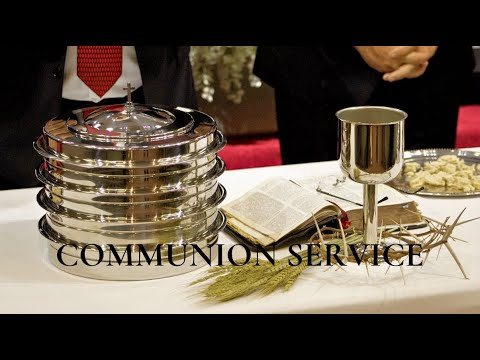
God's Word - The Hammer That Remakes Us

God's Word - The Hammer That Remakes Us

The service opened with a call to stay awake and ready for Christ's return (Mark 13). The preacher recalled a train engineer who, half asleep, kept mechanically repeating the signals while the train rolled on - a warning that we too can drift into spiritual sleep, even though our final destination is the eternal Kingdom where Christ reigns. A young brother preparing for water baptism explained its meaning: baptism in water does not save by itself; it is a public witness that we have died to sin together with Christ, and an act of obedience. The baptism of the Holy Spirit, in turn, gives us power to be witnesses and to keep fighting sin throughout our lives (Matthew 28:19; Romans 6:4; Matthew 3:11; Acts 1:8). The main message came from Jeremiah 23:29 - God's Word is like fire and like a hammer that breaks the rock. False prophets speak from their own hearts and dreams, but the Lord's true servants declare only what they have heard in His council. Like a stonemason chipping a rough stone so it fits the wall, God uses His Word to break off what is wrong and shape us into living stones of His house. To live with Christ we must first die to self. And as Elijah did on Carmel, when we lay ourselves on the altar, God's fire falls and the people confess that the Lord is God.

The Fear of the Lord, Treasure of the Church

The Fear of the Lord, Treasure of the Church

On this Sunday in the Pentecost season, the message opens with Malachi 4:1-2. A burning day of judgment awaits the proud and wicked, but those who fear God's name will go out leaping for joy like calves released to spring pasture. The preacher even shows a video of cattle let out after a long winter to picture that release into joy. The heart of the message is the fear of the Lord. At Pentecost (Acts 2:43) reverent fear came upon every soul, and in that atmosphere the first church saw many wonders. The fear of God is the indicator of His presence; it both restrains us from sin and moves us to obey His word. The preacher traces it through Abraham, Isaac, Jacob, and Joseph, and warns from Jeremiah 2:19 that forsaking God and losing His fear throws the door of sin wide open. Believers did not receive a spirit of slavery and worldly dread (Romans 8:15) but revere the Lord rather than fearing what the world fears. The fear of God is a treasure (Isaiah 33:6) that the enemy works to steal. Using Ezra's grief and repentance, the preacher calls the church to examine their lives, put away hidden sin, and let holy reverence fill their hearts so they walk in holiness and see God's power again.

The Honey Trap: Guarding the Temple of the Spirit

The Honey Trap: Guarding the Temple of the Spirit

Preached on the Day of Pentecost, this service celebrates the coming of the Holy Spirit, who descended on the first believers in Jerusalem and gave birth to the church that devoted itself to teaching, fellowship, the breaking of bread, and prayer (Acts 2:42). Because that same Spirit now lives inside every believer, our bodies have become His temple, and the enemy aims his entire kingdom at ruining that temple. The main message, called the honey trap, warns against the seductive temptations the devil sets, especially sexual sin. Joseph fled from Potiphar's wife (Genesis 39), while David lingered too long on the rooftop and fell with Bathsheba. Like a rabbit frozen by a python's hypnotic gaze, a long second look can paralyze and trap us, which is why Paul says not to negotiate but to flee (1 Corinthians 6:18-20). The preacher offers practical guards: wear your wedding ring, always speak well of your spouse, honor the marriage covenant as seriously as your covenant with God, and run from danger instead of lingering. And if someone has already fallen, the devil whispers that it is over, but God calls for repentance. David repented and was forgiven, though painful consequences remained, so run to God and not away from Him.

Pride: The Sin That Isolates the Heart

Pride: The Sin That Isolates the Heart

The service opened around the Lord's table. The preacher recalled the woman who had bled for twelve years, an affliction that left her ashamed and shut out from worship. She told herself that if she could only touch the edge of Jesus' garment she would be made well, and her quiet faith drew the power of God to her, until Christ turned and said her faith had saved her. The church was urged to come to the throne of grace with one prayer, "Forgive me," trusting that the blood of Jesus cleanses every sin, and communion followed with Paul's words on the broken body and the cup of the new covenant. The main message, drawn from a set of images the congregation was invited to name, was about pride. Pride is not merely a personality trait but a sin before God, older than humanity itself, for it first appeared in heaven when Lucifer said in his heart, "I will ascend and be like the Most High." Unlike other sins that draw people together, pride drives them apart and leaves a person alone; it divides marriages, friendships, families, and even churches. The preacher warned that success, beauty, and even God-given talents and spiritual gifts can feed pride when we claim them as our own, as King Uzziah did before he was struck with leprosy. The remedy is humility. God gives grace to the humble but resists the proud. Like Luther, who said that the moment he cut off one head of pride another grew, we must keep cutting it down and refuse to feed or flatter it. We guard our hearts by becoming poor in spirit, by looking to the cross where Christ humbled Himself, by dying to self each day, and by handing every success and gift back to God, the only one worthy of glory.

Watch, Pray, and Live by God's Faith

Watch, Pray, and Live by God's Faith

The service opened in worship that lifted up the name of Jesus as the only name worthy of all praise. The preachers reminded the church that what makes that name precious is the cross behind it: Christ left the glory of heaven, came to save sinners, and made us worthy before the Father not by our good deeds but through His sacrifice. The first message, from Matthew 26, called believers to watch and pray. The spirit is willing but the flesh is weak; like David weeping over a tragedy he might have prevented, we must stay alert and refuse compromise, because a little leaven spreads through the whole lump. Strength is found at God's throne in prayer, like the wise woodcutter who cut more wood because he kept stopping to sharpen his axe. The second message taught on the faith that comes from God. This faith healed the lame through Peter and Paul, it is more precious than gold refined in fire, and it works through love. It must be guarded, exercised every day, and asked of God so that it grows like a tree from a small branch. The service closed with prayer for the sick and a call to repentance and full surrender to Christ.

Boldness to Enter God's Presence

Boldness to Enter God's Presence

Drawing on Hebrews 10:19-22 and Romans 5:21, the preacher reminds the church that sin once reigned in us unto death, but now, through the righteousness of Christ, grace has come to reign and given believers boldness to enter the holy place by the blood of Jesus. This boldness is not arrogance but settled assurance, and it rests on a clean conscience, for if our own heart condemns us, God is greater than our heart. Such boldness is also the fruit of love made perfect, so that we may stand without shame in the day of judgment. He then warns of four things that quietly rob us of confidence before God: unconfessed sin that crouches at the door waiting to master us, the fear of people that lays a snare, vows made to God and never fulfilled, and the double standards of a hypocritical heart, illustrated by the woman caught in adultery, where every accuser found his own guilt. Finally he shows how lost boldness is restored. Come to yourself and admit where you actually stand, repent and change the way you live, walk in sincerity with God and people, and stay constant in fellowship with the Lord. Only the blood of Christ cleanses the conscience and lifts away guilt, so that we can look God in the eyes without lowering our heads.

Loving Jesus More Than Life Itself

Loving Jesus More Than Life Itself

The service overflows with thanksgiving and worship before guest pastor Bohdan turns to a hard but vital theme. Our walk with God has two sides: what He does for us, and what we are willing to give back to Him. Preaching about blessings is easy; the harder word is about surrender and loving Him above everything else. Drawing on Revelation 12:11, Matthew 10 and Matthew 22, he asks honestly whether we truly love Jesus more than parents, children, business, comfort, or even our own lives. Such love cannot be squeezed out by willpower. It is born only by God's power - through daily sanctification (the one forgiven much loves much) and through being filled with the Holy Spirit and grace, just as Paul could say, by God's grace, that for him to live is Christ. He also calls believers to live under the blood of Jesus every day, applying it over family, work, and health, because it is the blood of love and victory, not of fear. The gathering includes a striking testimony of healing from cancer, a reminder that the living God still acts among His people.