Slavic Full Gospel Church logo SFGC

Healing

13 sermons on this topic

The Two Most Important Names

The Two Most Important Names

The service opened by welcoming visiting youth from a neighboring church and offering worship as a sacrifice of praise to God. The main message centered on the weight that a name can carry. Through everyday stories - a respected doctor whose name opened doors, and a family business whose name earned favor - the preacher showed that a name can hold real power. He then turned to the most important name of all: Jesus. Through this name comes salvation; in it people are baptized, healed, and set free; demons submit to it; and one day every knee will bow before it. He shared firsthand testimonies of healing and deliverance, including a childhood memory of commanding a charging dog to stop in the name of Jesus and watching it flee. The second most important name, he said, is your own. Jesus the Good Shepherd calls each of His sheep by name; your name is written in heaven, and for your sake Christ suffered on the cross. The enemy whispers that you are nobody, unworthy, and unheard, and that only special people can reach God. But you can pray directly in the name of Jesus, and the Father hears you personally.

Knowing You Have Life in the Son

Knowing You Have Life in the Son

The service centered on a simple yet central truth from 1 John 5:11-13: God has given us eternal life, and that life is in His Son. The pastor pressed one question - do you know, today, that you are saved? Assurance matters now, because it settles where we will spend eternity, it fills the heart with God's peace and joy, and it changes how we live. Salvation is a gift we could never earn; like a drowning person pulled from the water, we are saved only because Christ reached out His hand. Eternal life is not only a future reward after death. Whoever has the Son has life already, here and now. To have the Son is not merely to know about Jesus but to live in living union with Him, like a branch joined to the vine. It is the witness of the Spirit in our own hearts, not someone else's reassurance, that makes us certain we belong to God. A visiting preacher carried the theme further: Jesus cannot be Savior unless He is truly Lord, so genuine repentance means surrendering our own will, plans, and resources to Him. He spoke soberly about healing - God heals and loves to heal, but not automatically and not by mere slogans; our bodies still groan under the curse, and real faith comes from hearing the Spirit and walking the path God has chosen. He urged the church to seek first God's kingdom and to want the Spirit's power in order to serve, not merely to feel blessed.

Faith in God, the Heart of Prayer

Faith in God, the Heart of Prayer

The service opened with a reflection on God's word as seed (John 6:63): it bears fruit only when the heart receives it and the Holy Spirit makes it alive in us. The first message taught that faith is the foundation of the Christian life - faith in Jesus, sent by the Father, crucified and risen, who gives us eternal life. Drawing on Hebrews 11, the mustard seed (Matthew 17), the centurion (Matthew 8), and the persistent widow (Luke 18), the preacher urged a living, childlike faith that moves mountains and leans on God's strength rather than our own. The main teaching turned to faith in prayer. Many believers fixate on themselves and their need, thinking that if they just believe hard enough the need will be met - which drifts close to magic. But Hebrews 11:6 reorders everything: the true object of faith is God Himself. We must believe that God exists and that He rewards those who seek Him. "Have faith in God" (Mark 11:23) means trusting the living God, not treating faith as a force of confession. From the father of the demon-possessed boy (Mark 9) and Peter walking on the water (Matthew 14), the preacher showed that God answers the presence of faith, not its measured size. Even faith so small it feels absent - "I believe, help my unbelief" - was enough, because God Himself acts. So we stop trying to pump up our faith, fix our eyes on the all-powerful God, ask, and wait.

The Word of God: Life for the Thirsty Soul

The Word of God: Life for the Thirsty Soul

Opening with Proverbs 25:25, the preacher compares good news from a far country to cold water for a thirsty soul. In Florida's heat we crave water, but the soul thirsts far more deeply, and only the good news of the gospel, the Word of God, can truly satisfy it. From Proverbs 4:20-23 he hears God say, "My son, attend to my words." The Lord asks for our attention, our ears, our eyes, and finally our heart to be captured by His Word, because Scripture is God Himself speaking to us. He warns against living in "tunnels" of endless screens - YouTube, impure channels, and political feeds that distract and poison - and calls believers back to the one thing needful that Mary chose at Jesus' feet. The Word is not only life but health and medicine. Sharing how he prayed over his son's headache, he urges us to believe and confess the Word above our feelings, just as the ten lepers were healed on the way as they obeyed. Believe in the heart and confess with the mouth, both for salvation and for healing.

One Bread, One Body at the Lord's Table

One Bread, One Body at the Lord's Table

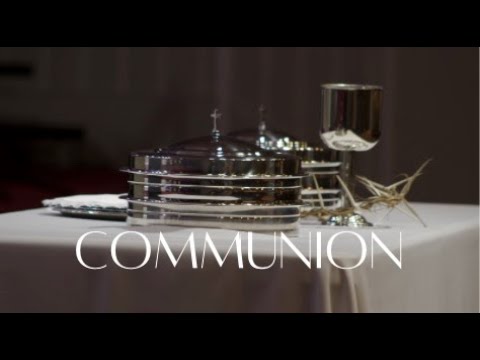
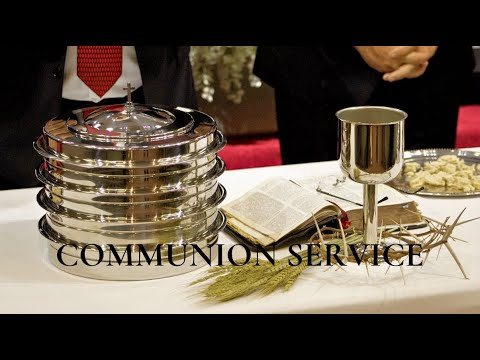
Gathered for a communion service, the church remembers the death of the Lord Jesus Christ. Drawing on Galatians 6:14, the preacher calls believers to boast in nothing but the cross and to rejoice as children of the King of kings in everything Christ has done for them. Looking ahead to Pentecost, he turns to the early church in Acts, who broke bread daily from house to house with glad and sincere hearts, praising God while the Lord added the saved to their number. Their secret was one heart and one soul, given by the Holy Spirit. From 1 Corinthians he shows that the cup and the bread are a real sharing in the blood and body of Christ, so the table binds believers to Golgotha and to one another - we wait for each other, forgive, and never come in division. Through the bronze serpent of Numbers, John 3:16, and Isaiah 53 he leads the church to the cross, urging everyone to make it personal: my sins and my sicknesses were laid on Him. He invites them to receive first the oil of the Spirit and then the cleansing blood, and the service closes by taking the bread and the cup, proclaiming the Lord's death until He comes.

Give Thanks and Never Stop Praying

Give Thanks and Never Stop Praying

This midweek Easter service centered on the living, risen Christ who still appears to His people - healing, guarding, and answering prayer. Opening from Acts 1, the leaders reminded the church that Jesus showed Himself alive to His disciples by many proofs, and that He still reveals Himself today through His Word and His care. A guest preacher from war-torn Ukraine read Colossians 3 and Deuteronomy 8, urging believers to set their minds on things above and to guard their hearts in seasons of plenty. He warned that good times and hard times both pass, and that comfort can quietly make us forget God and grumble. His two simple charges: never stop giving thanks, and never complain. A brother testified how God healed him and his wife after he simply raised his hand in faith, and the main message drew from 2 Kings 4, where Elisha prayed persistently until the Shunammite woman's son was raised. The recurring call was to keep coming to God, hold tightly to His grace, and refuse to give up - because where we write a period, the risen Lord can still write a comma.

Walking in the Light, Healing Broken Hearts

Walking in the Light, Healing Broken Hearts

Anton Kolganov opens with his own story - twenty-one years lost in darkness and addiction until the light of the gospel reached him through an unlikely friend. From there he builds the seminar around a simple picture: every person is like a clay vessel, and sooner or later loss, trauma, or sin leaves us cracked. Like the Eastern craft of mending broken pottery with gold, God does not hide our wounds but heals them with gold - His Word, refined like gold tried in fire, restoring the brokenhearted. The heart of the message is learning to walk in the light. Drawing on 1 John 1, he reminds us that God is light, and the closer we step toward Him the smaller the shadow of sin falls behind us. Using the picture of four windows of the soul - what we show, what we hide, what we cannot see in ourselves, and what only God knows - he shows how openness before God and others, honest confession, and a willingness to receive correction steadily enlarge the open part of our lives. This, he says, is the slow work of being made holy. Finally he warns against handing people tired, standard answers when their wounds are deep, and against running to false comforters - food, work, screens, even hidden habits - instead of resting in God alone. Real soul care reaches past the fruit to the root, lets the Holy Spirit, the true Comforter, expose the lies we believe, and replaces them with the truth that alone makes us free.

Bless the Lord and Forget Not His Benefits

Bless the Lord and Forget Not His Benefits

Opening with the prophet Hosea (sow righteousness, for it is time to seek the Lord), the preacher calls the church at the start of a new week to turn back to God. The heart of the message is Psalm 103, where David commands his own soul to bless the Lord and never forget a single one of His benefits. He walks through the blessings David lists: God forgives all our sins, heals all our diseases, redeems our life from the grave, crowns us with mercy and loving-kindness, satisfies us with good things (and above all with the living word that feeds the soul), and renews our strength like the eagle's. Because the Lord Himself executes justice for the oppressed, we never need to avenge ourselves but can place every wrong into His righteous hands. Drawing on testimony - the weeping woman who washed Jesus' feet, his own tears under the word as a young man, and his wife's conversion in Moscow - the preacher warns against the tragedy of Israel, who grew full and forgot God. Since every promise of God is Yes in Christ, the church is called to remember, give thanks, and bless His holy name.

Give Your Little, Abide in Christ

Give Your Little, Abide in Christ

The evening opened with Psalm 23 and a reminder that our Shepherd cleanses us, comforts us, and never leaves us alone. The first message turned to John 6, where Jesus asks Philip where they could buy bread for the crowd - not because He was unsure, but to test him, 'for He Himself knew what He would do.' The disciples scrambled for a human solution and figured that even two hundred denarii (about eight months of wages) would not be enough, while a boy simply handed over his five barley loaves and two fish. Jesus gave thanks, multiplied the little, and everyone ate until they were full, with twelve baskets left over. We are students in God's school, and every challenge has our part and God's part. Our part is to answer His call and offer the small thing we hold - our gifts, abilities, and ordinary deeds - without despising it; His part is to bless it and multiply it beyond what we imagined. The second message rooted this in John 15: apart from the Vine a branch can bear no fruit, and without Christ everything we achieve, however brilliant, finally adds up to nothing. Pointing to David, chosen not for skill or looks but because 'the Lord was with him,' and to the cloud of glory that filled Sinai, the tabernacle, and Solomon's temple, the preacher urged us to abide in Christ's presence so His glory rests on our lives. A sister shared how, after a hard fall that shattered her elbow with no insurance to cover it, she held onto the promise that nothing is impossible with God. He arranged a Russian-speaking surgeon who confirmed the very word she had received; the operation succeeded on the first attempt, the bills were fully covered, and for years afterward she was able to witness for Christ. Like the boy with the loaves, she brought God her helplessness and watched Him do His part.

Remember the Road, Give Thanks, Keep Growing

Remember the Road, Give Thanks, Keep Growing

Preached in the season of Thanksgiving, this message calls the church to gratitude for all of God's provision and for answered prayer. Reading Deuteronomy 8:2 and Psalm 23:6, the preacher urges believers to remember the whole road God has led them on, just as He led Israel forty years through the wilderness, parted the sea, gave water from the rock and sent manna, and to recall the many ways God has worked in each life. He shares personal testimonies: leaving university for the army, where God gave him favor and led a fellow soldier to Christ, and an unexpected repayment of a loan that proved God's faithfulness; and arriving in this country with only four bags and no English, yet seeing God supply every need. But God does not want us stuck in the past. Like the architect who called his next project his favorite, we are meant to keep growing and to know God more. From there he opens up grace (Ephesians 2:8-9, saved by grace through faith) and mercy (God withholding the judgment we deserve, as with David's honest repentance). We need grace even to forgive and to love our enemies, shown by a mother who forgave the drunk driver who killed her daughter and befriended him. Closing with 1 John 1:7-9, he calls the church to confess sin and trust God's cleansing, and a woman testifies to the healing of a tumor after the church prayed.

At the Lord's Table: Trust and True Repentance

At the Lord's Table: Trust and True Repentance

The church gathers around the Lord's Table to remember the death and suffering of Jesus, whose blood brings forgiveness of sins and victory over sin. The pastor opens by calling the congregation to pray for protection from an approaching hurricane, reminding everyone that the fervent prayer of God's people moves Him to answer. The first message, drawn from Exodus 14 and Revelation 3:7, pictures Israel trapped between the mountains and the sea with Pharaoh's army closing in behind. God led them into that dead end on purpose, so that His name would be glorified. When fear gripped them they cried out to God but also blamed Moses. The call is to stop panicking, be still, and trust the sovereign God who opens doors no one can shut, surrendering our will to the Father just as Jesus prayed, not my will but yours. At communion the church receives the broken body and blood, with a testimony that by Christ's wounds we are healed, including a pastor's own healing of his arm and leg after months of believing prayer. The closing message from Matthew 3 and the story of Zacchaeus warns that repentance must bear real fruit. Confessing sin with the mouth while still clinging to it is empty chaff, but genuine repentance changes the life and removes the stumbling block.

Proclaiming the Lord's Death with Faith and Joy

Proclaiming the Lord's Death with Faith and Joy

This communion service centers on remembering and proclaiming the death of Jesus Christ. Drawing on 1 Corinthians 11, the pastor reminds the congregation that every time we eat the bread and drink the cup we proclaim the Lord's death until He comes. We are to do this not in gloom or discontent but with faith and joy, receiving the table as a blessing for our lives. The preaching then turns to Psalm 27 and Matthew 6:33. King David's one desire was to dwell in the house of the Lord and behold His beauty, and Jesus calls us to seek first the kingdom of God. The pastor warns that many believers look to Christ for comfort and happiness rather than holiness, yet nothing unclean enters God's kingdom and the bride must be without spot or blemish, an idea pictured by a stained baptismal robe that could not be used. The gathering also welcomes new believers baptized the day before, each of whom asked for a Bible as a gift. Christianity is described as a bridge into God's eternal kingdom rather than a life of ease: the enemy will oppose these new believers, but God will guide them as He led Israel through the wilderness. The service closes with prayer for healing, placing our names in the wounds of Christ, and rejoicing that our names are written in the book of life.

Watch, Pray, and Live by God's Faith

Watch, Pray, and Live by God's Faith

The service opened in worship that lifted up the name of Jesus as the only name worthy of all praise. The preachers reminded the church that what makes that name precious is the cross behind it: Christ left the glory of heaven, came to save sinners, and made us worthy before the Father not by our good deeds but through His sacrifice. The first message, from Matthew 26, called believers to watch and pray. The spirit is willing but the flesh is weak; like David weeping over a tragedy he might have prevented, we must stay alert and refuse compromise, because a little leaven spreads through the whole lump. Strength is found at God's throne in prayer, like the wise woodcutter who cut more wood because he kept stopping to sharpen his axe. The second message taught on the faith that comes from God. This faith healed the lame through Peter and Paul, it is more precious than gold refined in fire, and it works through love. It must be guarded, exercised every day, and asked of God so that it grows like a tree from a small branch. The service closed with prayer for the sick and a call to repentance and full surrender to Christ.